
Accounting in the Digital Age: Embracing Online Accounting, Cloud Services, and Automation

Authored by bfmedia.io, 24 Dec 2025
When Traditional Accounting Meets Modern Complexity
Imagine sitting at your desk, buried under a mountain of receipts, invoices, and spreadsheets, all while trying to keep your business finances in order. This scenario, once the norm for countless accountants and business owners, is rapidly becoming a relic of the past. The landscape of financial accounting has evolved dramatically, driven by the relentless pace of technological innovation. Yet, many organizations still find themselves grappling with outdated processes, inefficient manual entries, and cumbersome data management that slow down decision-making and increase the risk of human error.
It’s no secret that the stakes are high: accurate and timely financial information is the lifeblood of any business. Without it, strategic planning goes awry, compliance risks multiply, and opportunities slip through the cracks. The traditional methods, however, weren’t designed for the data volume or real-time demands of today’s fast-paced economy. So, how can businesses keep up without overhauling their entire operation or hiring an army of bookkeepers?
The Digital Revolution in Financial Accounting: Beyond Spreadsheets
This is where online accounting reshapes the narrative. By leveraging cloud services, companies can access their financial data anytime, anywhere, breaking free from the shackles of physical ledgers and desktop-bound software. Cloud-based platforms not only provide unparalleled flexibility but also enhance collaboration—accountants, CFOs, and business owners can work together seamlessly, no matter where they are located.
Consider the impact of automation in this space. Routine tasks such as expense categorization, invoice generation, and bank reconciliations no longer require tedious manual input. Automation tools embedded within modern accounting solutions streamline these processes, dramatically reducing errors and freeing up valuable human resources to focus on strategic financial management. This means less time wrestling with numbers and more time interpreting them for business growth.
For those interested in financial opportunities beyond traditional markets, understanding the nuances of technology and finance can even extend to niche areas such as betting markets. For example, if you want to explore how to bet in kenya jackpot scenarios effectively, leveraging real-time data and automated financial tracking tools can be a game-changer, offering insights and control that old-fashioned bookkeeping simply can’t match. You can learn more about this at bet in kenya jackpot.
Software as a Service (SaaS): The Backbone of Modern Accounting Solutions
The rise of SaaS platforms has transformed accounting from a static, localized activity into a dynamic, cloud-powered service. Unlike traditional software that requires hefty upfront investments and complex installations, SaaS solutions offer scalability, automatic updates, and integration with a host of other business tools. This model lowers the barrier to entry for small and medium enterprises, democratizing access to sophisticated financial management capabilities.
What’s more, the data security and compliance features baked into these cloud services provide peace of mind. Businesses no longer have to worry about losing files due to hardware failure or falling behind on regulatory changes. Instead, they can focus on leveraging insights generated by their financial data to optimize cash flow, forecast accurately, and make informed strategic decisions.
Key Advantages of Embracing Modern Accounting Tools:
- Real-time access: Monitor financial health as transactions occur, enabling agile responses.
- Cost efficiency: Reduce overhead costs associated with paper, storage, and manual labor.
- Accuracy: Minimize human error through automated data entry and validation.
- Integration: Seamlessly connect accounting with other business functions like payroll, inventory, and CRM.
- Compliance: Stay up to date with tax laws and financial reporting standards effortlessly.
In a world where financial landscapes shift rapidly, adopting online accounting with cloud services and automation is not merely a trend but a strategic necessity. Whether you’re a startup founder, an accountant juggling multiple clients, or a CFO steering a growing enterprise, these advanced solutions offer the agility and insight required to thrive.
Throughout this article, we’ll explore the transformative power of these technologies in greater detail, unpack how automation and SaaS models are revolutionizing everyday financial management, and offer practical guidance on selecting the right tools for your unique needs. Let’s embark on this journey to redefine accounting for the digital era—cutting through complexity with smart, scalable, and secure solutions designed to empower your business.
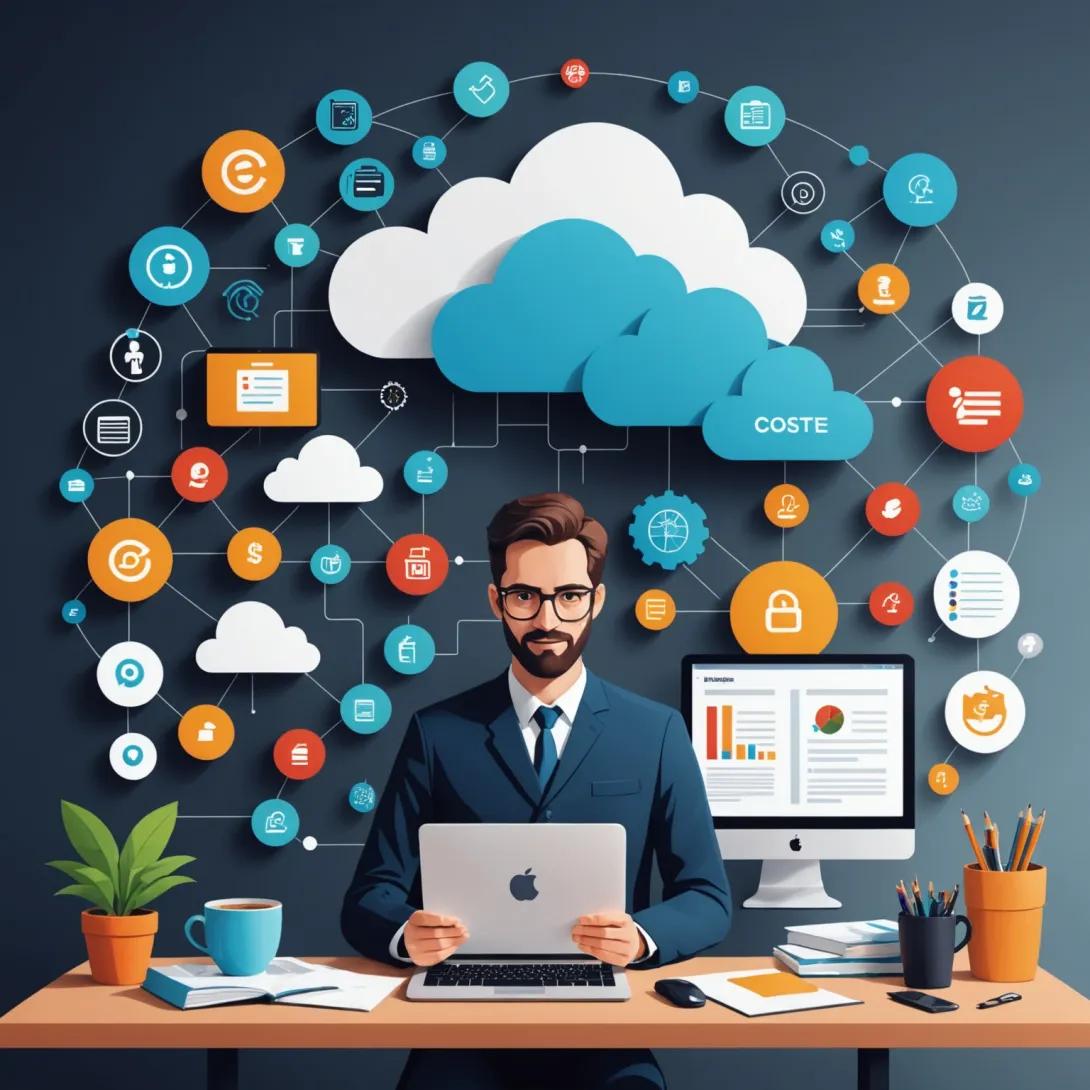
Understanding Online Accounting and Cloud Services for Modern Financial Management
What is online accounting and how does it differ from traditional accounting?
Online accounting refers to the practice of managing financial accounting tasks through internet-based platforms, rather than using traditional desktop software installed on a local computer. This modern approach leverages cloud services to provide real-time access, collaboration, and automation features.
Unlike traditional accounting, which often requires manual data entry and periodic updates, online accounting platforms continuously sync financial data across multiple devices and users. This means businesses can access up-to-date financial information anytime and anywhere, facilitating faster decision-making and improved accuracy.
Furthermore, online accounting often integrates automation tools which reduce human error and free up valuable time for accountants and business owners. For example, automating invoice generation, bank reconciliation, and expense tracking streamlines workflows and ensures compliance with financial regulations.
How do cloud services enhance financial accounting processes?
Cloud services underpin most online accounting solutions by hosting data on remote servers accessible over the internet. This setup offers several benefits for financial accounting:
- Data Security and Backup: Cloud providers implement robust security measures including encryption, regular backups, and disaster recovery plans, reducing the risk of data loss compared to local storage.
- Scalability: Businesses can easily scale their accounting software usage up or down without investing in expensive hardware upgrades.
- Collaboration: Multiple users such as accountants, financial managers, and auditors can simultaneously access and work on financial data, improving transparency and workflow efficiency.
- Integration Capabilities: Cloud-based accounting often integrates seamlessly with other business SaaS applications like payroll, CRM, and tax software, creating a unified financial ecosystem.
For example, a small business using a cloud-based accounting solution can automatically sync sales data from their e-commerce platform with their financial accounting records, providing real-time insight into cash flow and profitability.
What role does automation play in modern accounting solutions?
Automation in accounting involves using technology to perform repetitive, time-consuming tasks without manual intervention. This is a core component of many online accounting and SaaS platforms.
Automation improves accuracy by minimizing human error in data entry and calculations. It also speeds up processes such as:
- Invoice creation and delivery
- Bank transaction matching and reconciliation
- Expense categorization
- Tax calculations and filings
- Financial reporting and analytics
By automating these tasks, businesses can redirect their focus toward strategic financial management rather than administrative duties. According to a 2023 survey by Finance Online, organizations that adopted automation within their accounting systems reported a 40% reduction in processing time and a 30% increase in reporting accuracy.
What are SaaS solutions in the context of accounting, and why are they popular?
SaaS (Software as a Service) solutions provide accounting software delivered over the internet on a subscription basis. Instead of purchasing and installing software, users access the application via a web browser.
SaaS accounting solutions have gained popularity due to several advantages:
- Lower upfront costs: No need for expensive licenses or hardware.
- Automatic updates: Software is continuously updated by the provider, ensuring access to the latest features and security patches.
- Accessibility: Users can access their financial data from any device with an internet connection.
- Flexibility: Subscription plans often allow businesses to choose features that suit their size and needs.
- Support and training: SaaS providers typically offer extensive customer support and resources to help users maximize the software’s capabilities.
QuickBooks Online, Xero, and FreshBooks are prominent examples of SaaS accounting solutions that have transformed how small and medium enterprises manage their financial accounting.
What should businesses consider when choosing online accounting and cloud services?
Selecting the right accounting solution is critical for a company’s financial health and operational efficiency. Key considerations include:
- Security and compliance: Ensure the provider complies with relevant financial regulations (e.g., GDPR, SOX) and uses strong encryption protocols.
- Features and integrations: The software should support your industry-specific accounting needs and integrate seamlessly with other business tools.
- User experience: An intuitive interface reduces training time and increases adoption among staff.
- Cost structure: Analyze subscription fees, transaction costs, and any additional charges to find the best value.
- Customer support: Reliable support can prevent downtime and resolve issues quickly.
For example, a retail business may prioritize inventory integration and real-time sales tracking, while a service-based company might focus on invoice automation and time tracking features.
How can businesses maximize the benefits of online accounting and automation?
To fully leverage the potential of online accounting and automation, businesses should:
- Invest in training: Ensure staff understand how to use the software effectively and adopt best practices.
- Regularly review financial data: Automation provides data, but human oversight is necessary to interpret insights and make informed decisions.
- Continuously update processes: Stay informed about new features and evolving automation capabilities to enhance workflows.
- Integrate systems: Connect accounting software with other SaaS tools to enable end-to-end automation and data consistency.
By following these steps, companies can improve accuracy, reduce costs, and gain strategic insights that drive growth.
Conclusion
Online accounting, powered by cloud services and enhanced by automation, represents a transformative shift in how financial accounting is conducted today. SaaS solutions offer scalable, secure, and accessible platforms that cater to diverse business needs. Understanding these technologies and carefully selecting appropriate solutions can empower businesses to streamline financial management, improve compliance, and make data-driven decisions with confidence.